
Nigeria
is a Mirror.
And we have all looked away.
This is not just a story about bad leaders. It is a story about a country that built a Constitution — and then never built the citizens who could read it.
Sixty-four years of independence. And not one government has made it its business to ensure that every Nigerian leaves school knowing how to read the Constitution that governs them. You cannot defend what you were never taught. You cannot demand what you cannot name. You cannot hold accountable an officer whose duties you have never seen written down.
That is not the citizen's failure first. It is the curriculum's failure first. And the curriculum is a choice. Made by governments. Year after year. Decade after decade. Until now.
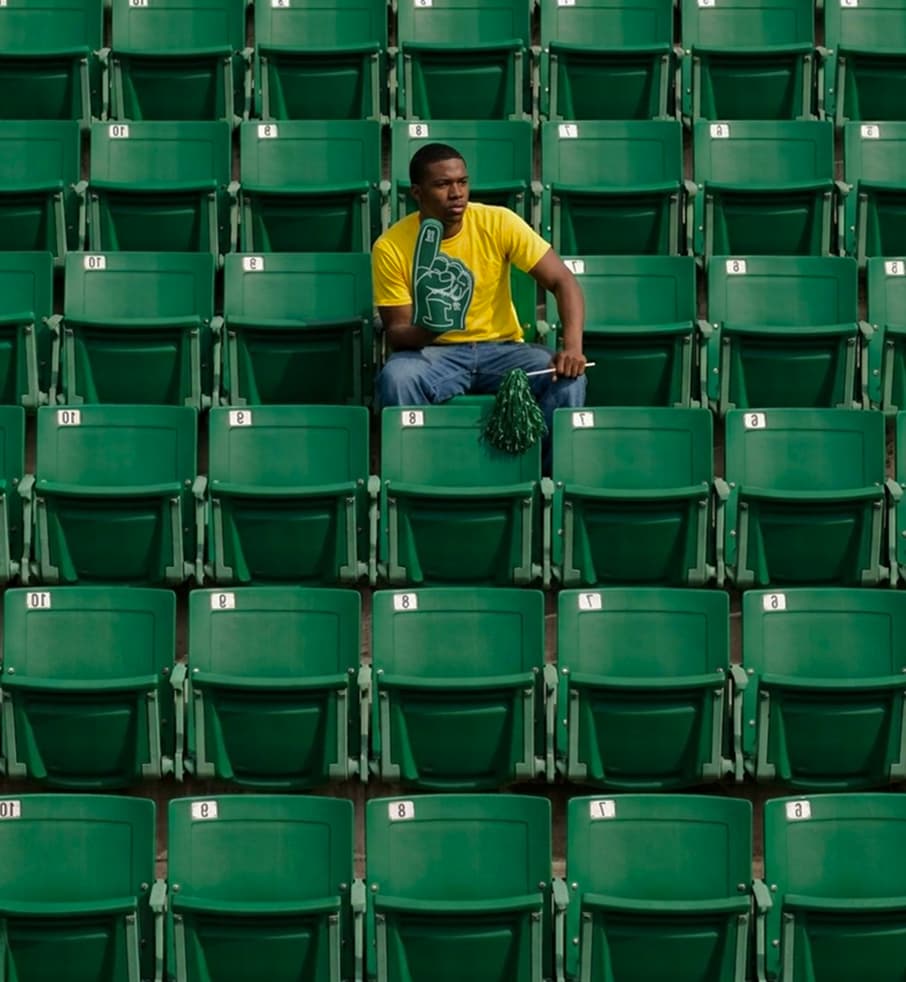
The gap that built every
other gap.
Post-independence Nigeria threw out the colonial curriculum. In the throwing out, civic education was "completely shielded out" — the words are from NERDC's own scholars. A young Republic, scrubbing itself clean of British classrooms, scrubbed itself clean of citizenship instruction at the same time.
Twenty-five years. No dedicated Civic Education in Nigerian basic schooling. The Federal Government would later admit, in NERDC's own words, that this had produced "a yawning gap in citizenship consciousness." The Republic was running elections without a citizenry trained to vote in them.
Civic Education reintroduced — on paper.
Classroom implementation finally begins. Primary 1 and JSS1 onward.
The first Nigerian cohort to receive Civic Education from Primary 1 is fifteen years old. They have not yet voted. Everyone older than them went through school without it. Every Nigerian over the age of twenty-five today is a graduate of that gap. Every Nigerian over the age of forty went through basic education when the gap was at its widest. The Republic was not built to confuse them. The Republic simply forgot to teach them. And forgetting, at this scale, for this long, is its own kind of failure.
The confusion runs
top to bottom.
Power and revenue sit at the top. States and LGAs are funded from Abuja through FAAC. What trickles down to the grassroots, however, is rarely enough. And rarely tracked.
The 1999 Constitution gives Local Governments clear duties: primary healthcare, sanitation, local infrastructure. State legislation, in many states, has reallocated those duties to state-level structures. The Supreme Court ruled on this in July 2024, granting LGAs full financial autonomy. Nineteen months later, implementation has lagged. That implementation is a fight — a legitimate one, between institutions — and the citizen is supposed to be in the room. Most citizens do not yet know the room exists.
The LGA Chairman, constitutionally empowered, points at the Governor. The Governor points at the Constitution. The citizen, not knowing which document to open, concludes that no one is responsible.
We must be honest
about our own role.
The government's failure to teach does not end the citizen's duty to learn. Not anymore. Not in 2026, when the document exists, the courts work, the FOI Act is fifteen years old, and the smartphone in your pocket can carry the whole Constitution in your own language.

Civic disengagement is not neutral.
When communities do not vote in local elections, do not attend town halls, do not file Freedom of Information requests, do not know the name of their Ward Councillor — the vacuum is filled. It is always filled.

Not always by villains.
Sometimes by the merely indifferent. Sometimes by the quietly corrupt. Sometimes by well-meaning people with no accountability structures around them. The structure is the point. Without informed citizens, no structure holds.

Here is the discipline.
If a public officer is not doing what they were sworn to do, the first question is not why they have failed. The first question is whether the citizens they were sworn to serve have ever held them to it. A public officer who has never been challenged on the record is not yet a failure. They are an officer no one has shown up for. The accusation comes after the citizen has shown up — informed, prepared, with the section cited, the form filed, the question asked. Not before. That discipline is what civic intelligence makes possible. Not anger first. Information first. Then orientation. Then action. Then — if the officer still fails, repeatedly, in bad faith — the accusation lands with the full weight of a citizen who did their part.
The same laws that enabled the confusion can end it.

Nigeria has more legal instruments for citizen accountability than most Nigerians realise.

The Constitution, properly read, is a citizen's document.

The Freedom of Information Act exists and has teeth.

The Legal Aid Act 2011 opens doors most citizens do not know exist. A Ward Councillor holds the legal power to trigger the recall and impeachment of a non-performing LGA Chairman.
The crisis is shared.
So is the way out.